Being a writer, poet, or artist is having a massive moment. Pinterest has predicted “poetcore” as a defining trend for 2026; a new “literary it girl” seems to emerge every few months, each with a breakout bestseller; the aesthetics of the “writer in Paris,” the “weird art school girl,” circulate with increasing velocity online. But the central question remains: why does everyone want the life of an artist—and who actually gets to have it?
“weird art school girl” trend
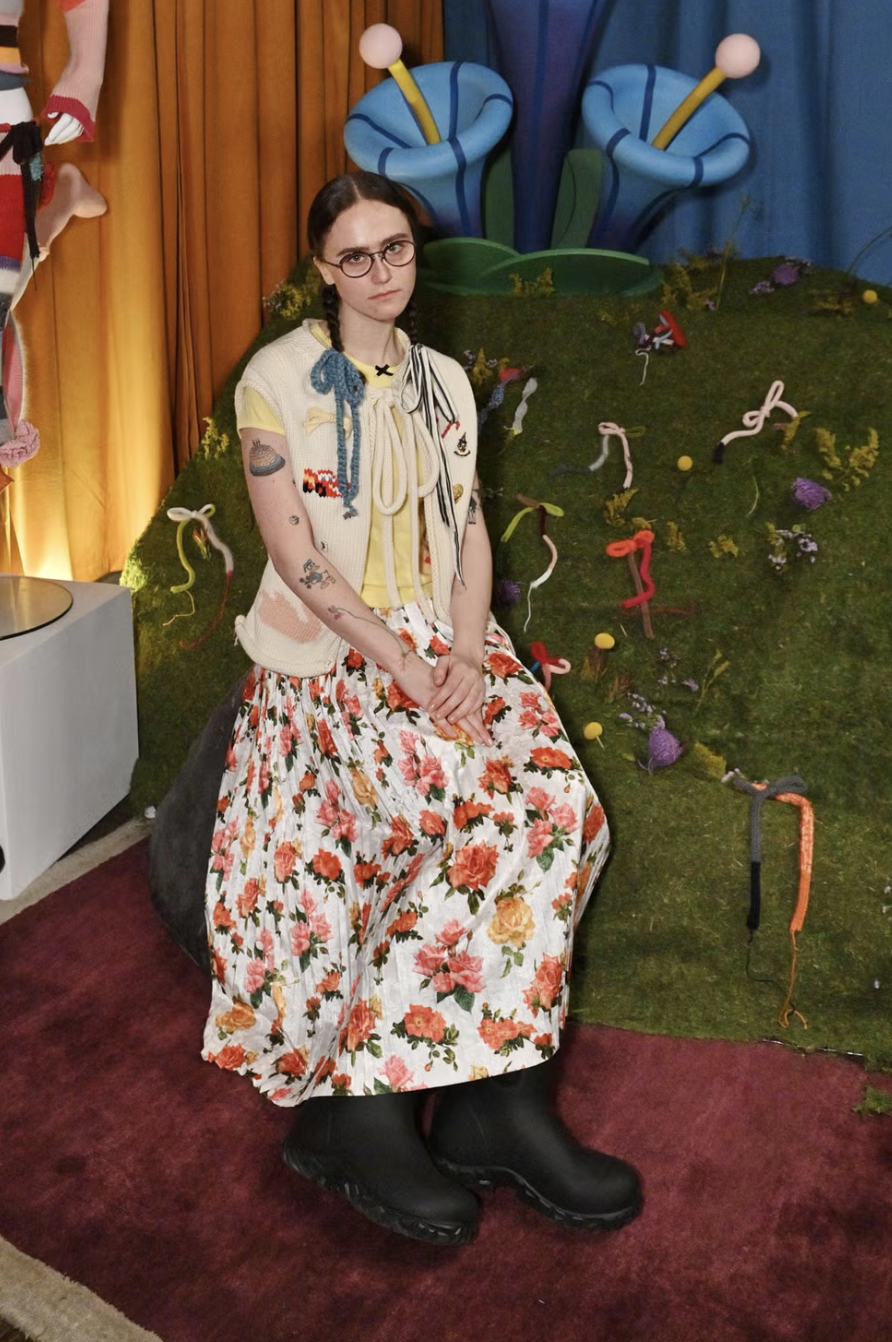
The overnight popularity of Rama Duwaji, and her rapid ascent to “it girl” status, made one thing clear: in 2026, a new archetype has arrived—the “weird art school girl.” She is more offline than online; her presence is rare and intermittent; her Instagram is filled with her art and only occasional selfies. She is fashionable, but not trend-driven; whimsical, messy, nonchalant. She operates as an antidote to the commercialized “clean girl” aesthetic that dominated the post-pandemic social media landscape.
But this shift also suggests that the era of highly curated, performative selfhood online has reached a point of saturation. Not only is it unrealistic for most people—amid a worsening economy and rising cost of living—to cook elaborate meals from scratch for their toddlers à la Nara Smith, maintain ten-step skincare routines, or spend summers on extended European holidays, but the language of “use my code” brand deals and affiliate links has become so ubiquitous that being online increasingly feels like being in a perpetual state of consumption. As a result, audiences are craving authenticity.
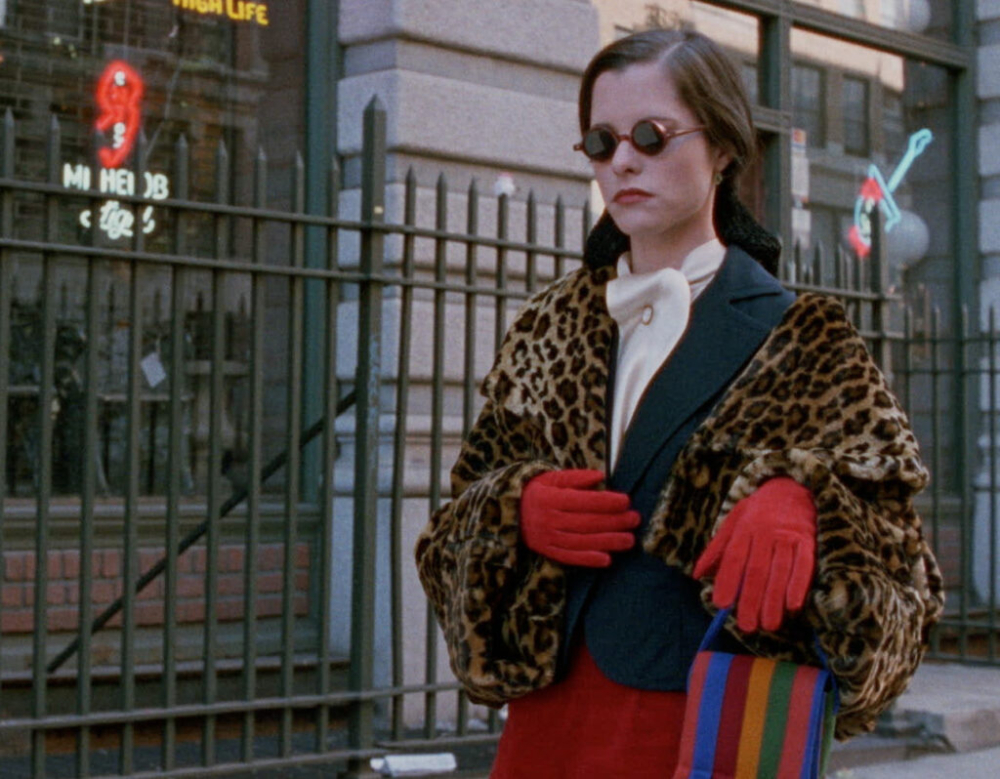
Yet this is not a new phenomenon so much as another iteration of a broader cultural pattern: the performance of nonchalance. We have seen it before in the “cool girl” personas of celebrities like Lily-Rose Depp or Zoë Kravitz, whose “effortless” outfits are, in reality, meticulously assembled by teams of stylists. We saw it again in the rise of curated “photo dumps,” designed to appear spontaneous after Instagram expanded its carousel limit from ten to twenty images in 2023.
The Italian concept of sprezzatura captures this dynamic precisely: the art of making something difficult look easy. We understand, intuitively, that effortlessness itself requires effort—years of training for an athlete, or careful construction for an image. The “weird art school girl” may feel like a rejection of the curated, monetized self, but the desire to appear nonchalant is still a desire to appear. The difference is that we are no longer permitted to seem as though we are trying.
“offline as status symbol”
This craving for nonchalance coincides with adjacent cultural trends. 2026 has been declared the “year of analogue”; reading and intellectualism are once again coded as desirable; being offline is emerging as a status symbol. But, as with the “weird art school girl” aesthetic, the question persists: who can actually afford it?
For many working artists, a minimal online presence is not an aesthetic choice but an economic impossibility. They must sell their work online to survive. The romanticized figure of the artist—barely online, surrounded by the right books, cultivating a studied messiness, never needing to promote their work—is largely accessible only to those already insulated from financial precarity: individuals with generational wealth, independent income, or, ironically, those established enough as influencers to monetize the aesthetic itself.
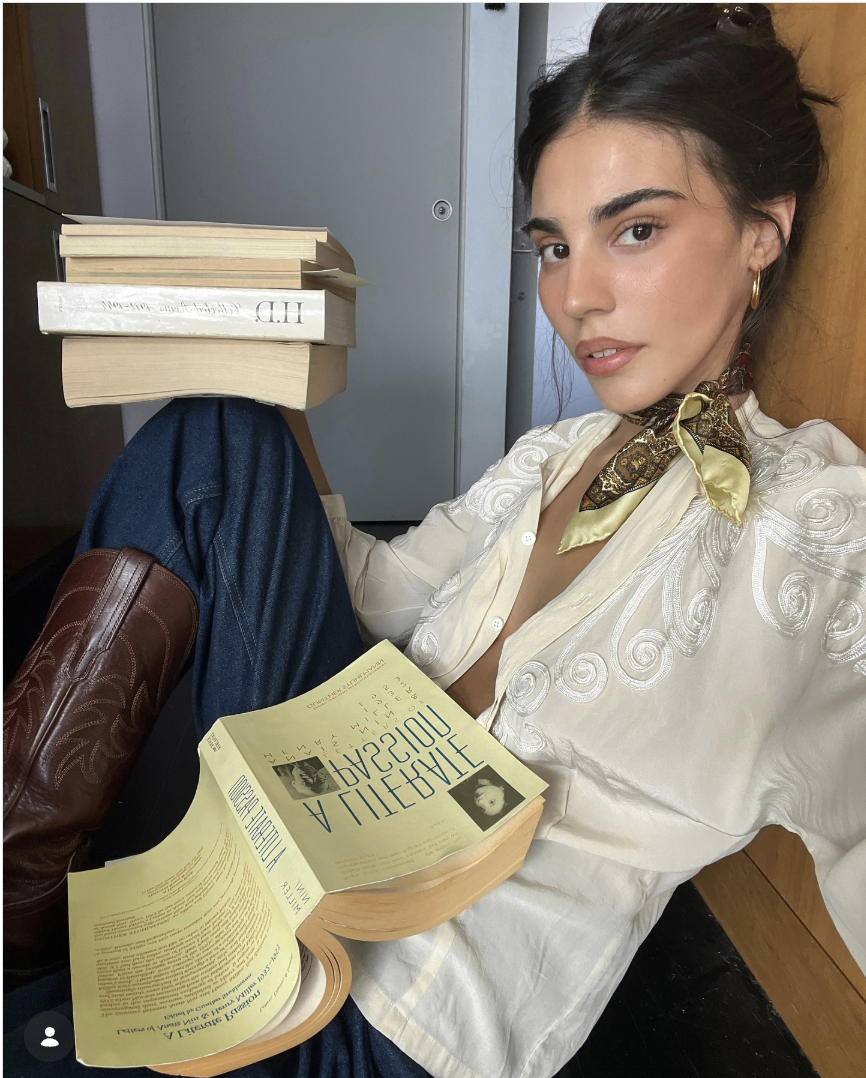
Kendall Jenner offers a particularly stark example: a member of a billionaire family performing an “artsy girl” persona online, backed by virtually limitless resources. She can afford to be offline because an entire marketing apparatus sustains her presence. For a working artist, by contrast, going offline would not signal mystique—it would mean risking rent.
The playful, whimsical quality of the “weird art school girl” is precisely what makes it so compelling. It feels like a rebellion against the commodification of online life, a figure who has somehow slipped outside the system. But the reality is less romantic. Under capitalism, rebellion is quickly absorbed and reconstituted as aesthetic—another style to be circulated, consumed, and sold.
What this trend ultimately signals is a shift from material consumption to immaterial consumption. We are no longer being sold products so much as identities, values, and ways of being. And the most desirable identity, at present, is the illusion of a life that has nothing to sell.
 Daria Bezuhla is a Berlin-based video-essayist and writer. A cinephile at heart, she explores film, media and fashion trends through her video-essays and writing focusing on how culture, politics, and technology shape our perception. Follow her on YouTube.