

For years, Toronto fashion has existed in a strange contradiction. The city possesses an enormous concentration of creative talent, stylists, photographers, designers, musicians, and image-makers, yet its infrastructure has often lagged behind its ambition. The problem was never a lack of aesthetic identity, but rather an absence of platforms and infrastructure capable of transforming fragmented creative energy into something visible, communal, and culturally coherent. That absence is precisely where RCHIVE emerged.
Originally founded as a multidisciplinary creative platform operating at the intersection of fashion, music, art, and nightlife, RCHIVE has increasingly evolved into something larger than an event series or creative space. It has become one of the clearest indicators that Toronto’s fashion culture is attempting to construct an ecosystem for itself rather than waiting for institutional validation to arrive externally.
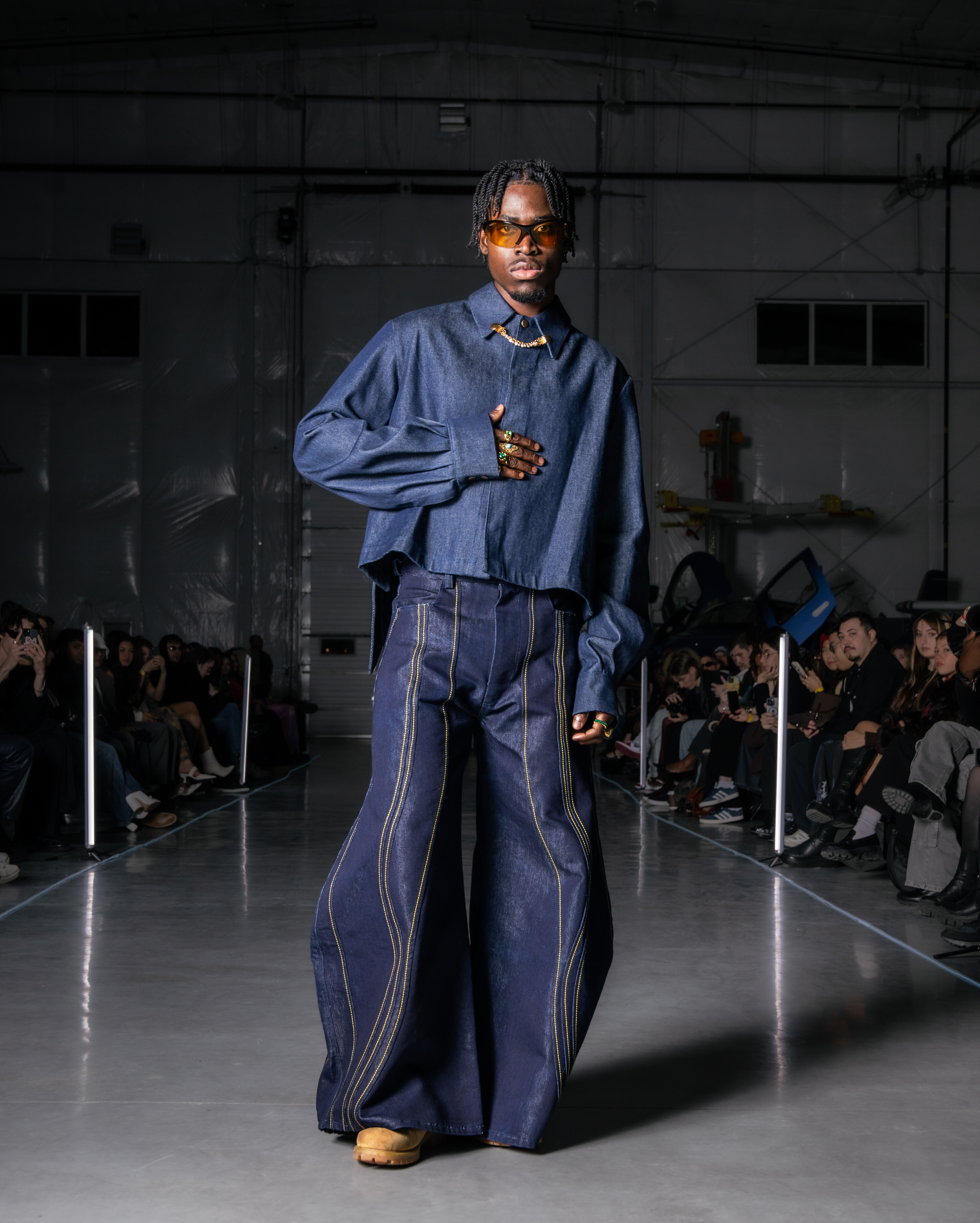
This coming weekend, that ambition culminates once again with Rchive’s Spring/Summer 2026 edition of Toronto’s Own Fashion Week, hosted inside the Church of the Holy Trinity. Over the past several seasons, TOFW has rapidly evolved from an emerging independent runway initiative into one of the city’s most culturally visible fashion platforms. But what distinguishes it from previous attempts at Toronto fashion infrastructure is not merely the runway itself. It is the underlying philosophy driving it.
“As a designer myself, I was compelled to start Toronto’s Own Fashion Week because I noticed there was a lack of opportunity for designers to put on runway shows,” founder Ion Sobaliu tells LIMINUL. “It’s very expensive, so we wanted to build a platform where we could create affordable runway shows that still feel as grand as the professional level.”
That tension between accessibility and ambition sits at the center of TOFW’s identity. Unlike legacy fashion institutions historically defined by exclusivity, TOFW positions itself closer to a creative ecosystem: one where emerging designers, photographers, stylists, makeup artists, musicians, and audiences exist within the same cultural orbit rather than in rigidly separated hierarchies. The result feels like a traditional fashion week, to be sure, albeit one emerging from the underground as convergence point for Toronto’s broader creative community.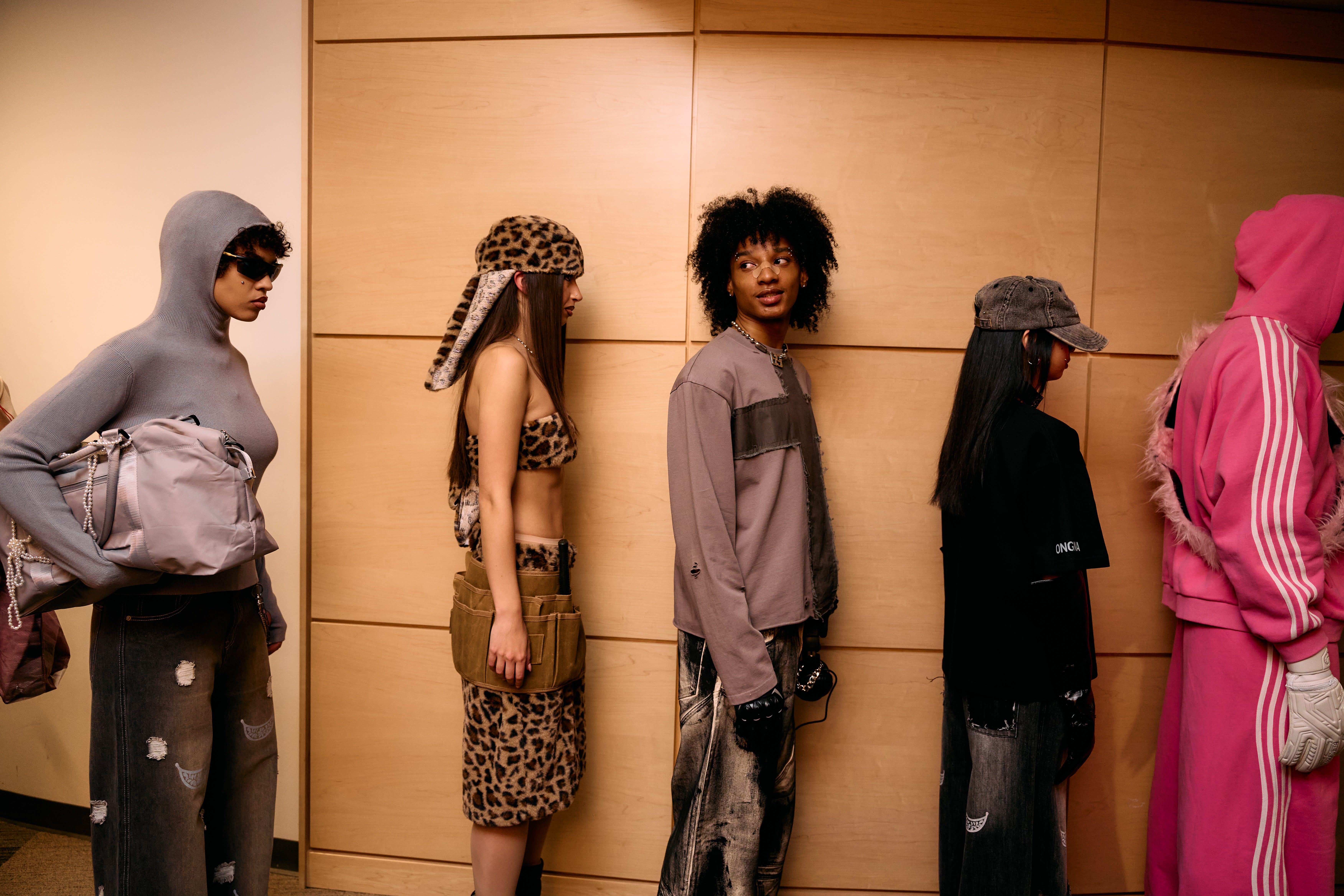
For Ion, the issue Toronto has historically faced was never a lack of talent, but rather a lack of visibility and structural support. “I think what people misunderstand about Toronto fashion is that it exists,” he says. “I don’t think the world is really paying attention to what we have going on here yet, partly because of the lack of structure, opportunities, and platforms.”
That observation feels particularly relevant within the broader context of Canadian fashion. For years, Toronto’s creative scene has often been framed through comparison: less established than New York, less mythologized than Paris, less editorially romanticized than Montréal. Yet TOFW’s rise suggests a growing refusal of that inferiority narrative altogether. Increasingly, Toronto designers appear less interested in reproducing established industry formulas and more interested in constructing an aesthetic language specific to the city itself.
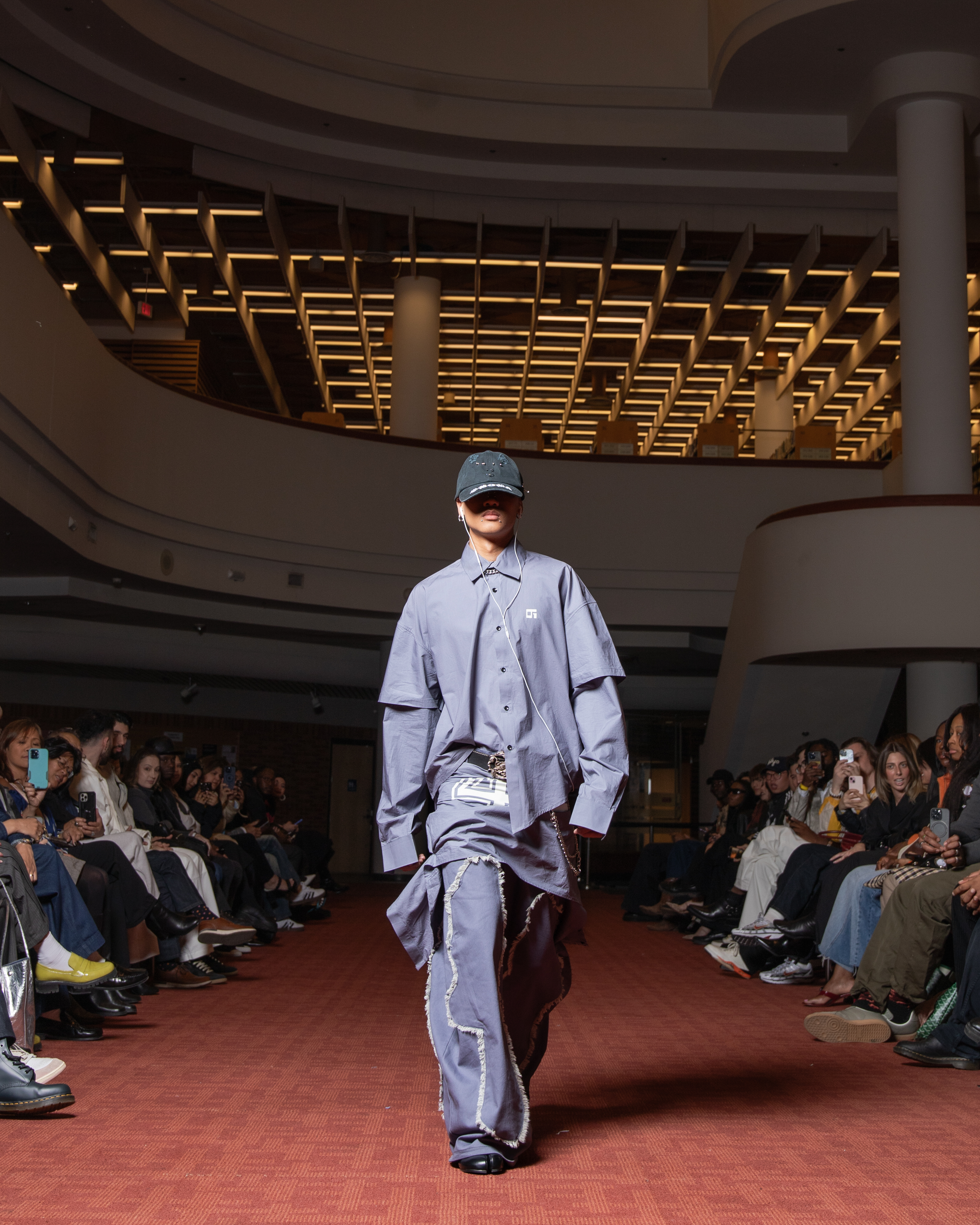
“The thing about Toronto designers is that they aren’t afraid to break the rules,” Ion explains. “They’ll create sustainable pieces, rework garments, and give things completely new identities.” That willingness to operate outside traditional fashion orthodoxy is part of what makes TOFW culturally significant beyond the runway alone. Across recent seasons, the platform has showcased designers engaging with sustainability, reconstruction, diasporic identity, experimental fabrication, nightlife aesthetics, and conceptual streetwear hybrids that reflect Toronto’s fragmented yet deeply multicultural visual identity.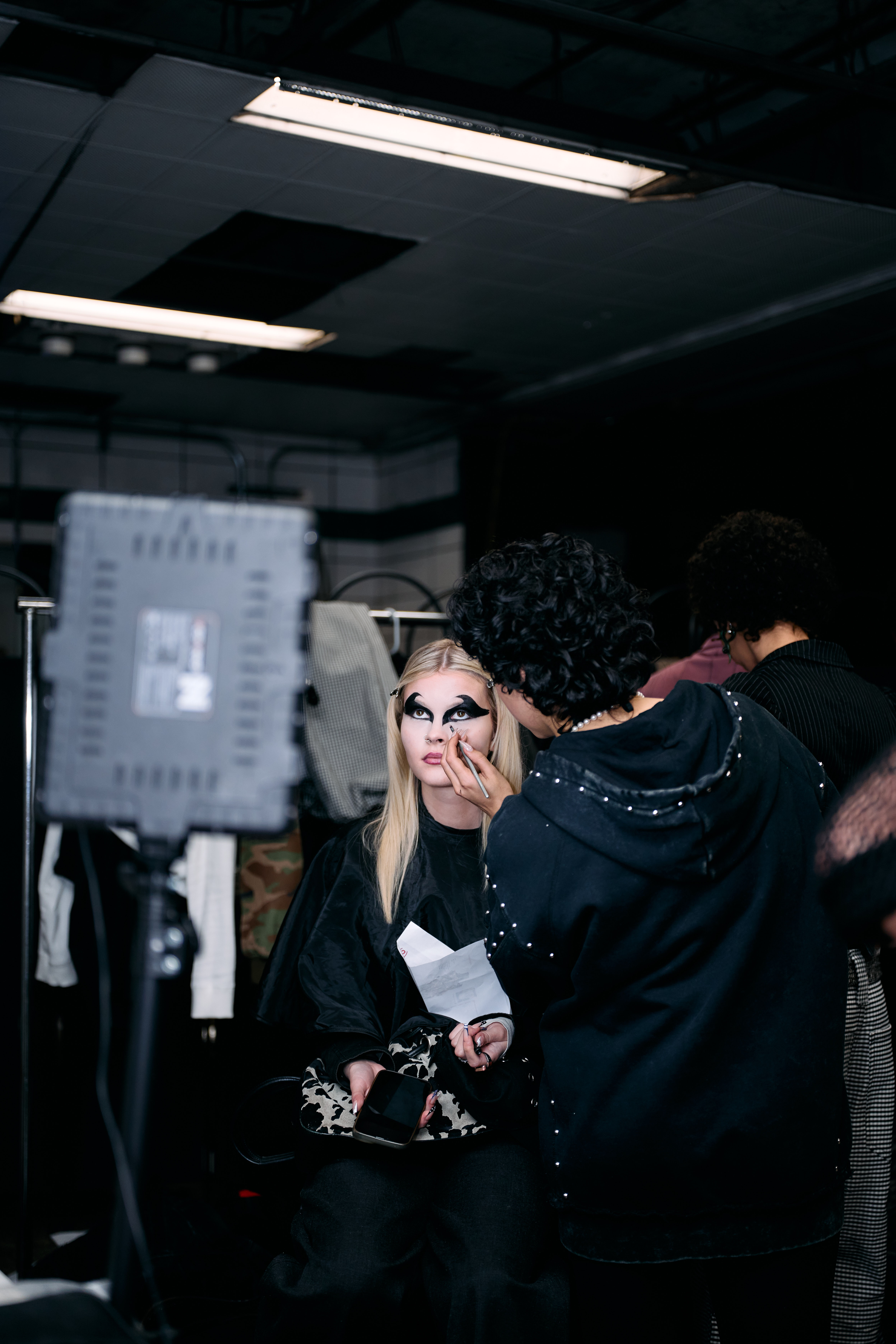
This season’s presentations unfold inside the Church of the Holy Trinity, transforming the historic Gothic architecture into a temporary site of contemporary image-making. The symbolism feels almost accidental yet strangely perfect: tradition repurposed through experimentation. For Ion, innovation remains central to TOFW’s evolution.
“I think what sets Toronto’s Own Fashion Week apart is the creativity our team brings and the innovation we’re always pushing toward,” he says. “We’re constantly looking ahead and trying to find new ways to disrupt the industry.” That language of disruption appears repeatedly throughout conversations surrounding TOFW, though perhaps what the platform is truly disrupting is not fashion itself, but the longstanding assumption that meaningful fashion infrastructure cannot emerge organically from Toronto.
“What we really need is structure and support,” Ion says. “We need to educate people about what’s happening here and encourage people to support local designers and purchase more responsibly instead of buying things that won’t last.” There is something distinctly contemporary about the way RCHIVE and TOFW approach cultural production. Fashion is not treated as an isolated industry, but as part of a wider media ecology where nightlife, music, digital culture, performance, photography, and community formation continuously intersect. The audience is not merely observing the culture; they are participating in its construction in real time.
Perhaps that is why TOFW resonates so strongly with younger creatives within the city. It does not attempt to imitate legacy fashion institutions with absolute fidelity. Instead, it reflects the realities of contemporary creative culture itself: collaborative, decentralized, interdisciplinary, and increasingly self-produced.
Before TOFW existed, Ion describes Toronto’s fashion ecosystem bluntly: “The fashion ecosystem in Toronto felt very bland. There wasn’t much disruption or excitement.” Now, however, the atmosphere surrounding TOFW feels markedly different. There is momentum. There is mythology beginning to form around the city’s emerging fashion infrastructure. More importantly, there is finally a growing sense that Toronto fashion no longer needs to ask for permission to exist. And perhaps that, more than anything, is what RCHIVE is building.
Toronto’s Own Fashion Week S/S 2026 takes place May 15–17 at the Church of the Holy Trinity in downtown Toronto. Tickets, schedules, and full designer lineups are available now via TOFW and RCHIVE.
More information:
https://tofw.ca

Cody Rooney is the Editor in Chief and senior contributor at liminul.
He is a PhD candidate, digital content specialist, writer, editor, multi-media artist, and photographer.