
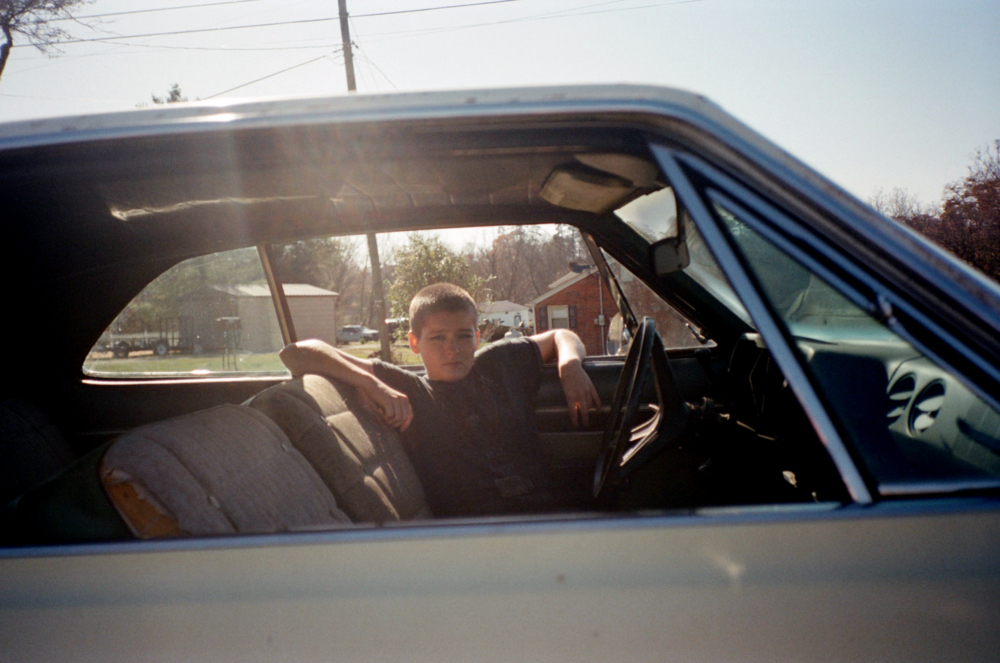
To be seen and understood is, in many ways, one of the most fundamental human desires. It asks us to recognize something of ourselves in other people, whether they belong to our immediate community or are simply strangers passing through our lives. When that recognition becomes second nature, when empathy transforms from an effort into an instinct, the effect can feel almost transcendent. It is this kind of emotional grounding that Zoh Amba discovered while creating their latest album, Eyes Full.
Growing up in the small town of Kingsport, Tennessee, Amba witnessed neighbours, friends, and community members navigate periods of instability and hardship. In the process, they came to understand just how little separates them from the people whose struggles often go unnoticed. Those experiences became the foundation of Eyes Full, a deeply character-driven record that turns its attention toward the working-class stories so often left untold.
The album functions as a love letter to the people who rarely occupy the centre of the frame. It is both an act of recognition and an expression of Amba’s immense compassion, tracing the shared desire for dignity, understanding, and acknowledgement that connects us all. Discussing the stories behind the record, Amba reflects on the creative journey that led them away from an exclusively instrumental practice and back to the guitar, an instrument that became central to the emotional language of Eyes Full.
Having moved between Tennessee, San Francisco, and now New York, where have you seen a connection between the three? In what ways do all three places show up in the album?
‘Blueberry Thorn’ I guess, is definitely in the spirit of San Francisco. But I guess I haven’t really thought about all those places connected into one. I think when I look at the record, I look at it more so as different experiences and things in my childhood, not places. I think it’d be more Southern rooted than probably out West.
I read that throughout the years you were moving around you tried to find an identity outside of Tennessee.
I went to San Francisco for school and then I dropped out. But I first moved there because I think when you’re from a little town and just trying to get out, you usually go to school. I got into a school in San Francisco, they gave me a nice little scholarship and I lived [there] for two years. And then the pandemic broke out, so I moved back to Tennessee and then to New York.
New York was tough, but it was beautiful. I met my best friends, both the souls that are on the record, Kevin and Jim. I met Jim Wyatt when I first moved to New York, basically on the street and he’s the greatest friend I’ve ever had. So is Kevin. New York was about meeting a lot of musicians and finding my community.
When you moved away and as you were prepping to work on Eyes Full, were there any specific moments or a feeling you got that prompted you to revisit your connection to your home in Tennessee?
I think all these things, like even when I was playing instrumental exclusive music with a horn, I felt the same things in my heart. My brain is getting tripped out thinking about it from that angle, I haven’t thought about it like that. But there wasn’t really a big turning point necessarily.
I think about where I’m from and all these topics that are in the record are things that have always been in my heart and I’ve been trying to understand. Through a lot of instrumental music, it helped to a given point. I couldn’t reach beyond how much help it could give me in those moments. Then naturally, because I’ve been playing guitar my whole life, I would say a big pivot point that was the most natural transition, was exclusively playing guitar and stuff.
Meeting a lot of people in New York, like Jim Wyatt, was a huge encouragement and supporter of natural change and a safe space to explore. Looking back, it feels a bit like a drawing change or something, but it was a super gradual transition. It was tough. I think it’s tough being an odd dude in any music, but in the instrumental world, it was really tough for me. A lot of memories from years ago were coming up that I couldn’t believe were coming up.
I don’t think it was because of that music, but I think it was something inside of me that needed to come to a different place and a different pathway for some reason that I don’t know, but it just was what it was. It wasn’t even that I was trusting my heart; it was like I had no other choice. I had nowhere else to trust or nowhere else to see, you know, it was the only thing. Now we’re here on a call together. It was a very slow, gradual, intense transition of reflection and all these different things.
So while you were still doing instrumental music you were starting to get this urge to make a pivot and all these memories were coming up? Or was it while you were already making that return to the guitar and gradually bringing yourself into this process?
Both aspects are present and both are kind of all the same. I’ve always played guitar, It started as that second thing you talked about, and then it became the first, just in a gradual time period of things. The reason I came back home during last year too is because I decided I didn’t want to play any more saxophone shows, which is, by the grace of God, how I would keep my lights on. I couldn’t do that anymore. So I moved back down here because it’s a lot more affordable. Then I moved back up there to give it another go [laughs].
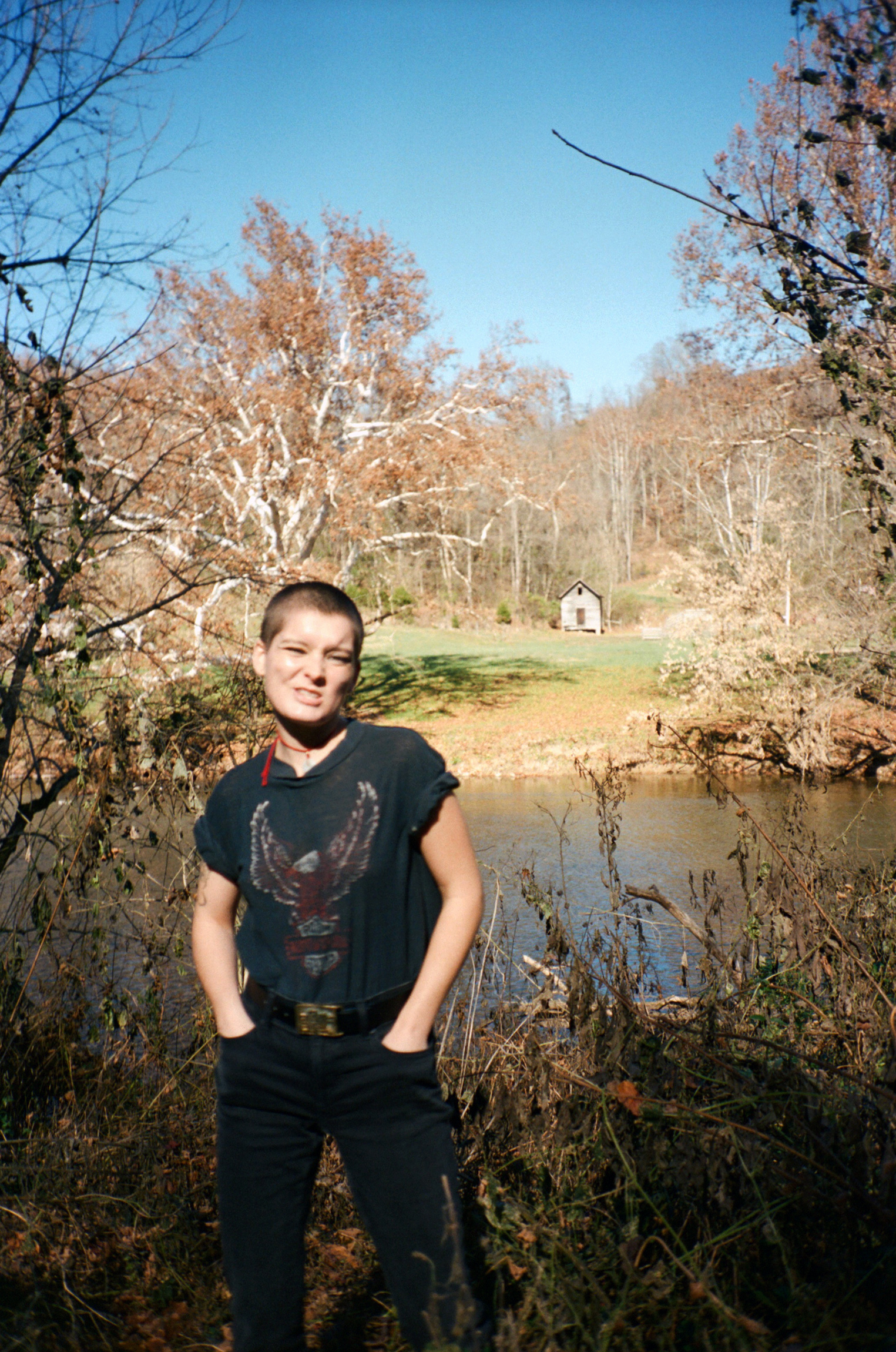
The idea of mercy and redemption was a point of interest for you while making this album. With the slow gradual process of transitioning into this album from the instrumental side of music, how did you gain a sense of that while working on it?
It’s hard to think of in a broad sense. In a very specific sense, there are these moments when you’re young and for example, you come from a really difficult upbringing; some of us have faith in things getting repaired in your adult life. Other people are like, “Well, it’s fine. I don’t need the validation. I don’t need it to be fixed. I’m just moving on.” I was not one that felt like I could just move on – even though I tried. I was just wanting to fix these things that were beyond my control. It got to a point where it was disturbing me so much.
When your parents are both alive, but you never talk to them because of addiction things or incarceration things – it’s truly beyond anything you can control. You only have so many options. You’re either gonna be upset, which you have a right to be, or you’re gonna change perspective. That doesn’t mean that because you change your perspective that you can’t still be upset. I felt like I had to be so extreme one way or another, but getting older, you realize you don’t have to be so extreme.
The more you grow up, you realize that things are not black and white. You don’t ever have to adhere to one side or another, you can find a balance.
I think inside of that, ‘Southern Soil’ thinks a lot about mercy and other ways of understanding that there’s so much more behind the door than what I see. Just because it doesn’t feel like something doesn’t mean that’s what it is. The person has every right to feel everything that they need and want to feel inside of it. So I just started trying to understand that. I kind of understood it in the song for a couple months, then I went back to a different way of thinking, and then went back to it.
It’s an interesting thing, but I felt really grateful that my heart was able to reach some of these points that I never thought it would see with this life. I feel really happy about that. There’s still a lot of work to be done. I just hope to get better at writing songs like that and being able to paint in a different light.
Eyes Full was tracked live with no overdubs, did you feel that choice was effective in conveying the emotion you and within each song? Were there any moments of doubt on that decision?
I think I’m just a simple-minded person. Like I didn’t even know you could do all these things. I was like, “This is what we’re gonna do, and we’re just going to get in there and do it.” Going forward, things are gonna evolve and change a little. But at that moment, I thought that’s the only way you can do it. I didn’t know there were other ways to record a record.
There’s so much passion behind that last belt of “your baby’s gonna look for lifetimes in it’s lifetimes through those missing years” on ‘Southern Soil’, even more so when you take in this was recorded live with no overdubs. What was that lyric and final delivery reflecting for you? What were the culminations of feelings, experiences, and situations you wanted to portray in that lyric?
The first two verses are about my parents and what they went through. The first one is that first lyric, looking at all these lifetimes and such. Then the second verse is kind of the same thing, but it’s with the twist of “Gonna go straight to the Lord / Plead back your mind / And your dreams and your tears start again” which is about not having a lot of faith in a lot of the systems.
That last verse is about God but putting my mother, father, and God all in one level. It’s making it a very personal experience. The third verse, in a broad sense, looks at everyone. If people are beekeepers, they raise dogs, make a million dollars at a tech company, or get addicted to fentanyl — those are all people at the end of the day searching for the same thing. In those moments, I was trying to put these people that brought me here on the same level as everyone else that are searching for things that maybe aren’t perceived to be the same thing, but I think at the end of the day they are.
In my heart, I felt really nice writing that song. Actually, I felt like if I were to die tomorrow, I would say, “This is not the greatest song ever, but I feel really happy that my heart was in that place.”
Izzy Petraglia is a publicist, writer and photographer based in Toronto. Within her work, she loves to tie in her passion for music, fashion, and pop culture. Follow her on Instagram.