Beauty has never been a neutral category. It functions instead as a shifting system of recognition, produced through environments, cultural repetition, and the increasingly accelerated feedback loops of visibility. What is considered beautiful is never simply “seen”; it is constructed through exposure, repetition, and circulation, then mistaken for instinct.
In contemporary digital culture, this process has intensified rather than originated. Algorithmic platforms have not invented beauty standards so much as compressed them, accelerating their repetition whilst expanding their reach. At the same time, this very saturation has produced a counter-pressure: an insistence on permeability, imperfection, and forms of beauty that resist full stabilization.
FACE VALUE continues LIMINUL’s investigation into this tension between standardization and excess, and the aesthetic systems and the bodies that move through them. Each contributor works as both an observer of beauty culture, and an operator within it, shaping the very surfaces it claims to describe.
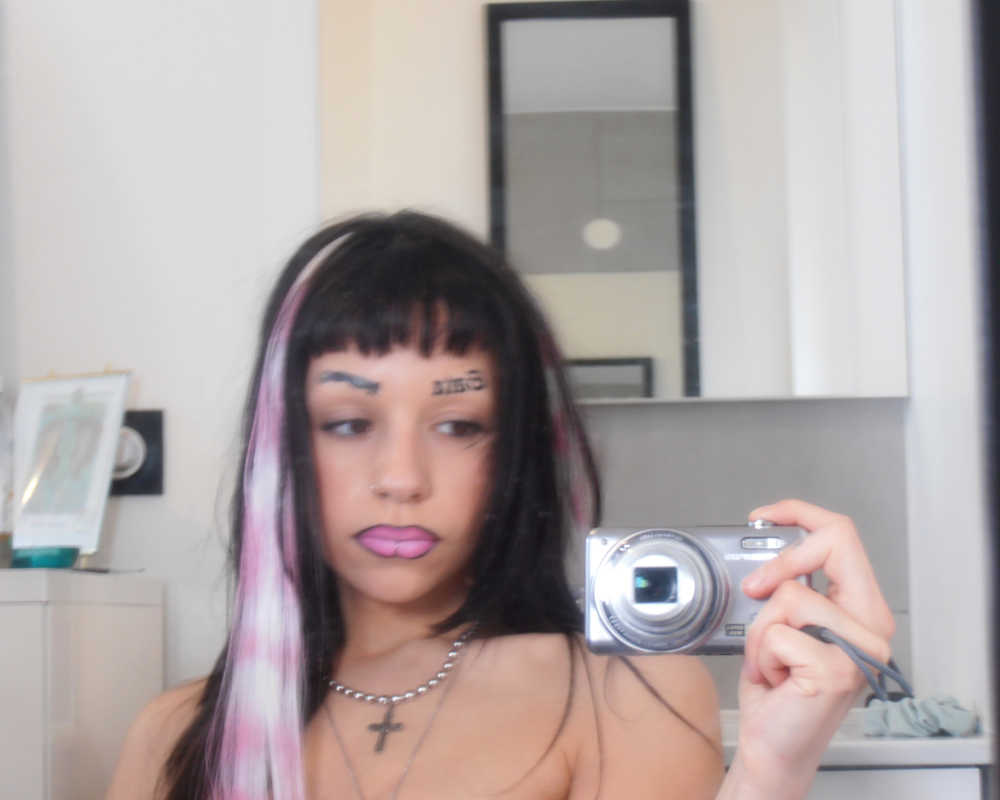
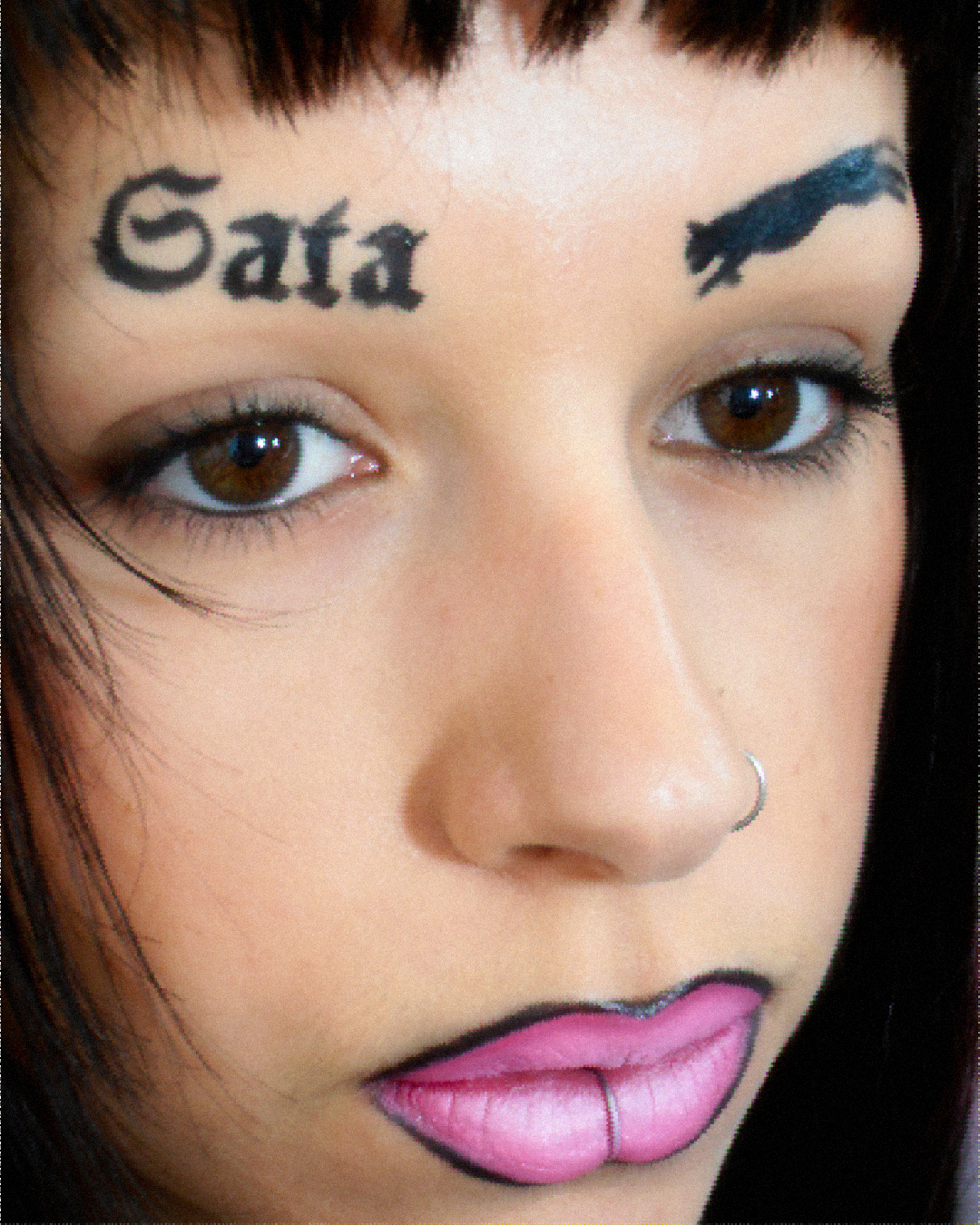
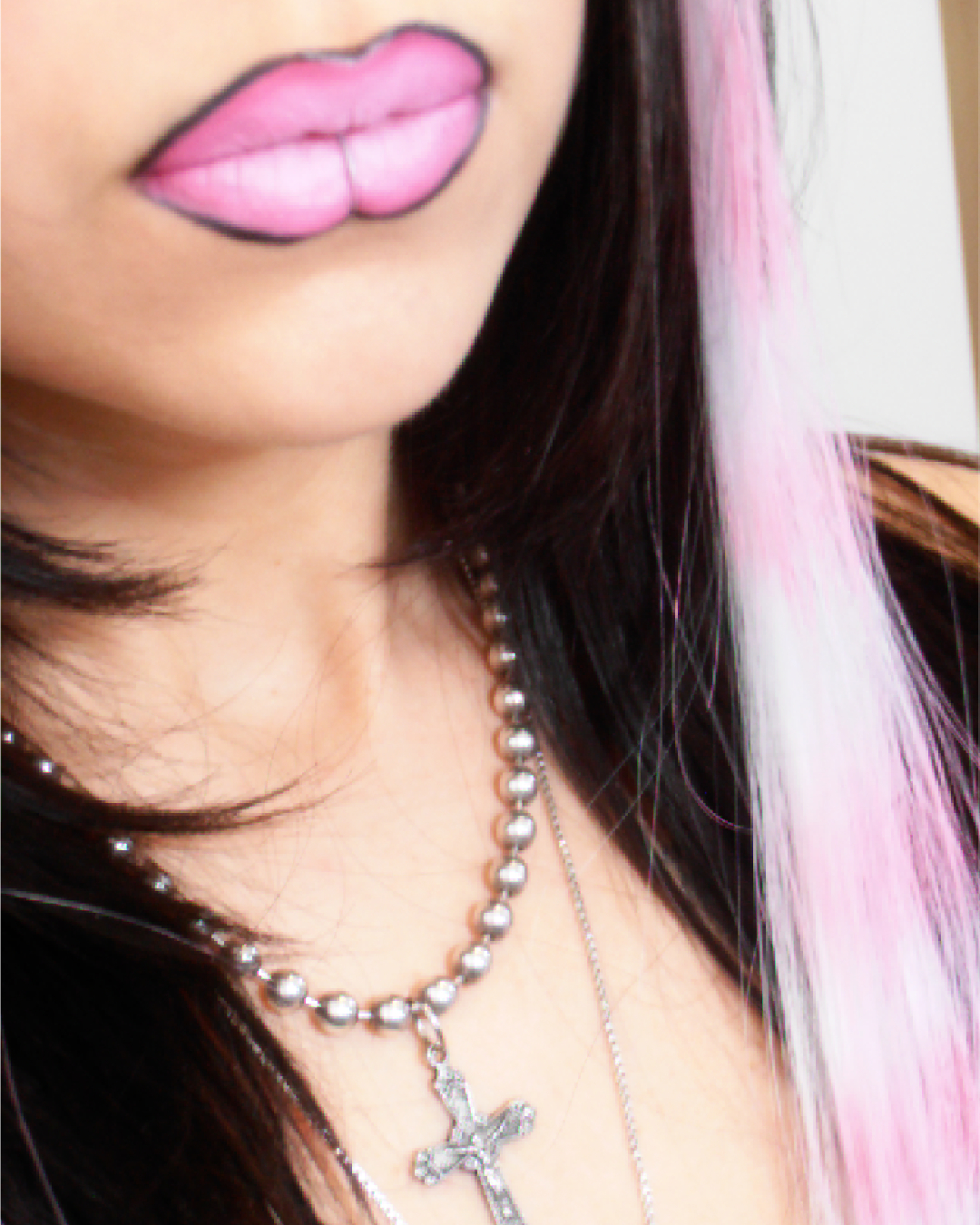
This week features Lorena Bay (gata.ilusion), a Paris-based makeup artist whose practice reframes beauty as something already distributed across matter itself rather than something applied onto it. In her formulation, beauty is embedded in bodies, perception, and relational attention. Makeup in her practice emerges as mode of self-authorship: playful, performative, and continuously reconfigured through contact with others.
What does beauty mean to you right now, and where does it feel insufficient?
Beauty exists within every living being, every particle of matter. If we allowed ourselves to see it within ourselves, it would become much easier to recognize it in others, universally. Self love honey.
Do you think beauty today is something people construct, or something they’re expected to conform to? Where do you place yourself within that?
It feels like a never-ending cycle of interpreting what’s already there and adding one’s own individuality to it, then projecting it back into the world. In that sense, it feels impossible to remain conforming for very long. Everything moves, evolves, and is in constant reconstruction.
There’s a growing sense that beauty has become increasingly standardized through algorithms, platforms, and influencer culture. How do you see that shaping what people consider “beautiful”?
I’m not sure it’s that different from the spaces we connect with in real life. We all have our environments, the people we surround ourselves with, the aesthetics we’re exposed to. There have always been trends and dominant ideas of beauty. What people found beautiful twenty years ago might not resonate today, but maybe it will again in twenty more years.
I actually think social media and media in general have allowed us to see more of what exists outside of our immediate surroundings. Our lens has widened. In many ways, it’s also people capitalizing on whatever feels “hot” at the moment. Maybe our responsibility is to become more critical of what we consume and what we choose to internalize.
What currently feels overproduced or exhausted in beauty culture to you?
The idea of perfection.
Where do you see space for disruption or refusal within beauty right now?
Queer people and marginalized voices in general have historically always led the way by refusing to conform to the status quo.
What kind of lens do you bring to your practice as a makeup artist, and what are you trying to complicate or undo through it?
I think what I try to communicate through makeup is that beauty and self-presentation can be spaces for play, performance, and experimentation. I see being a makeup artist as something deeply playful, but also very caring, there’s something intimate about connecting with people in that way.
We have a choice in how we present ourselves to the outside world, even if we can’t control how others will perceive or interpret it. For me, the interesting space lies in self-authorship, allowing ourselves to play, transform, and explore infinite possibilities.
What principles or instincts tend to guide your work, even if they’re not always conscious?
That the person sitting in my chair feels good, no matter what crazy shit is on their face.
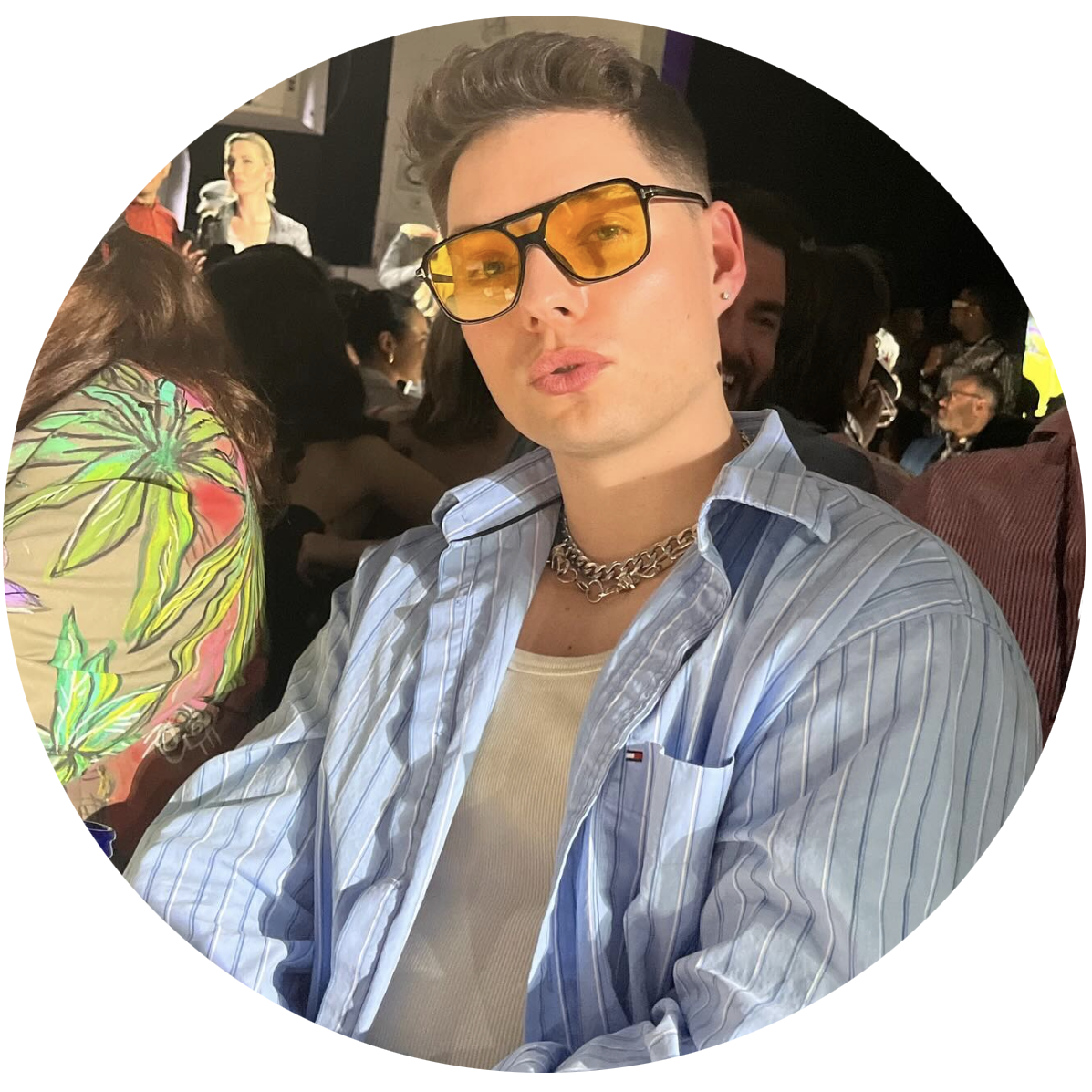
Cody Rooney is the Editor in Chief and senior contributor at liminul.
He is a PhD candidate, digital content specialist, writer, editor, multi-media artist, and photographer.