Beauty has never been more visible, nor more mediated. Between algorithmically curated feeds, AI-generated imagery, cosmetic technologies, looksmaxxing, and an endless stream of trend cycles, contemporary beauty increasingly exists within a landscape of optimization. Faces are smoothed, refined, filtered, and transformed into idealized versions of themselves, fit for the algorithm. Yet amid this pursuit of perfection, a growing appetite for authenticity has emerged.
This month, LIMINUL is exploring contemporary beauty through the eyes of the artists helping to shape it. FACE VALUE invites three makeup artists to create original cover stories and reflect on the state of beauty today. Together, their perspectives reveal a culture caught between self-expression and standardization, creativity and consumption, fantasy and reality.
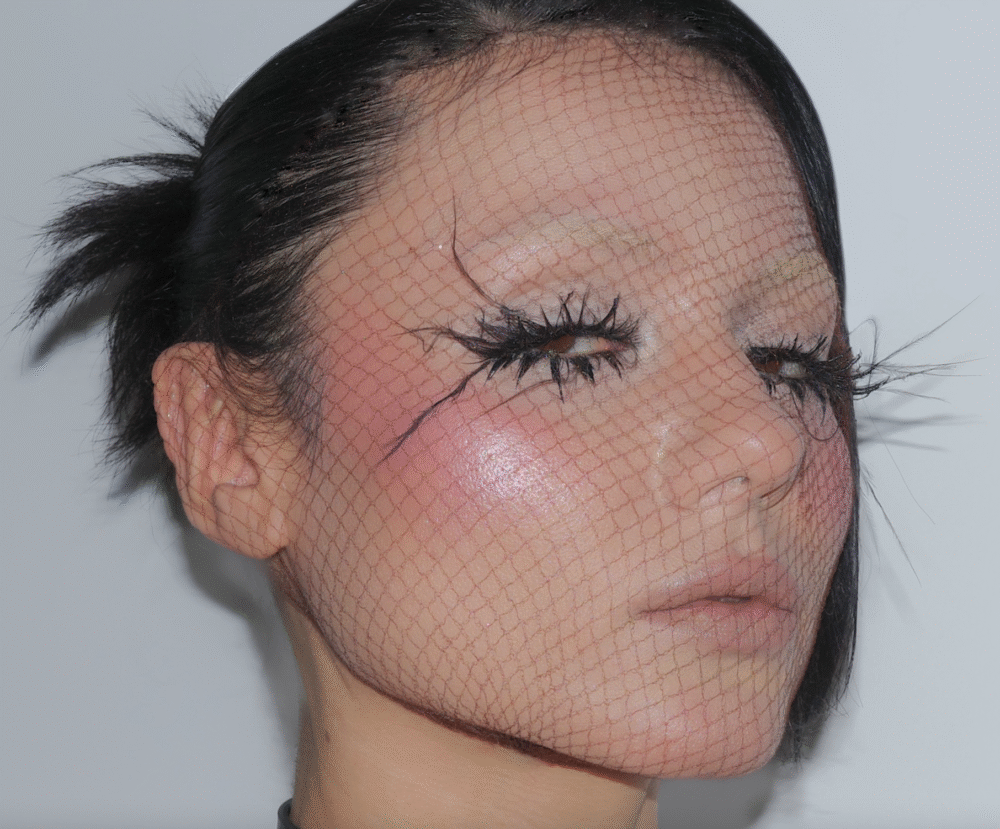
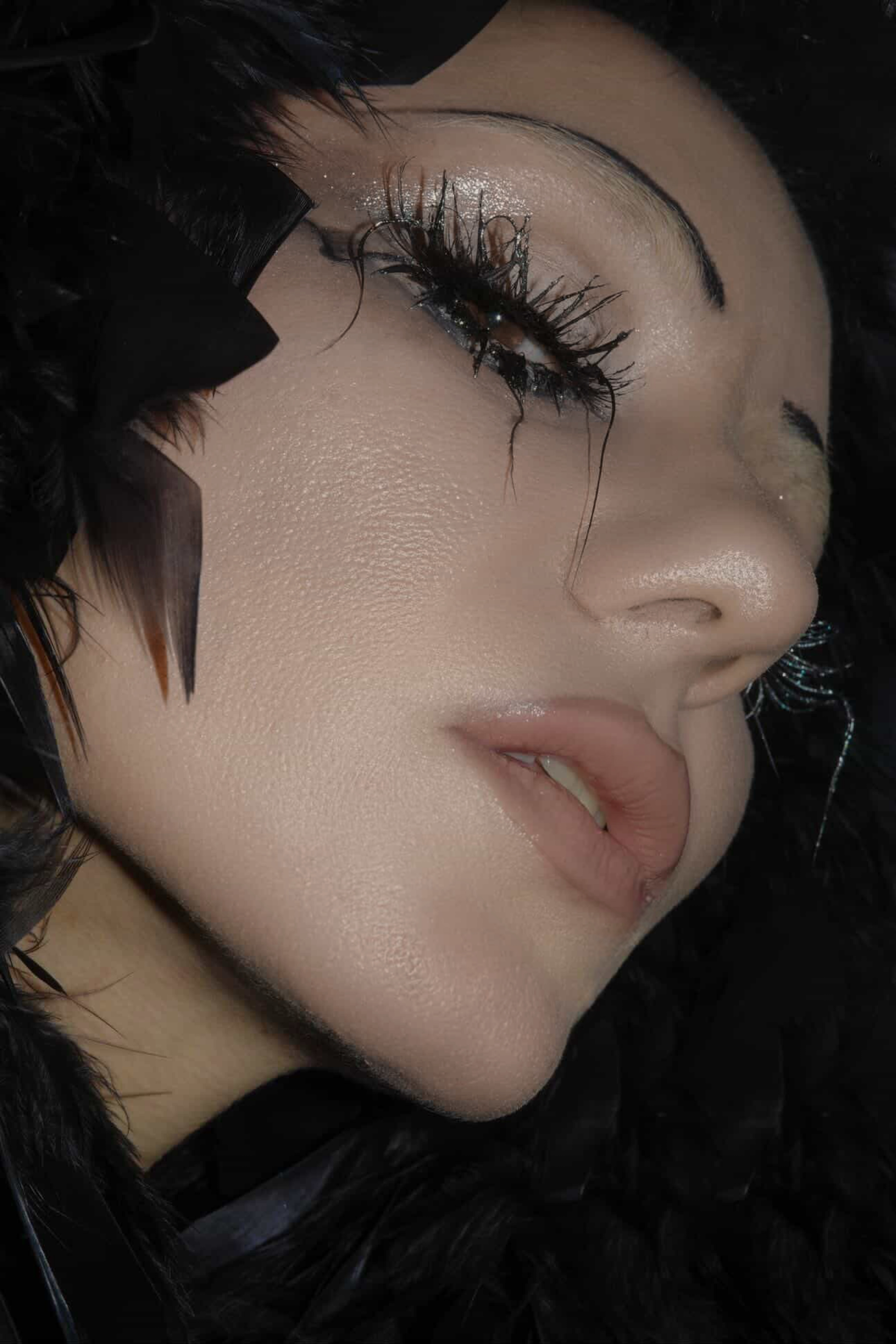
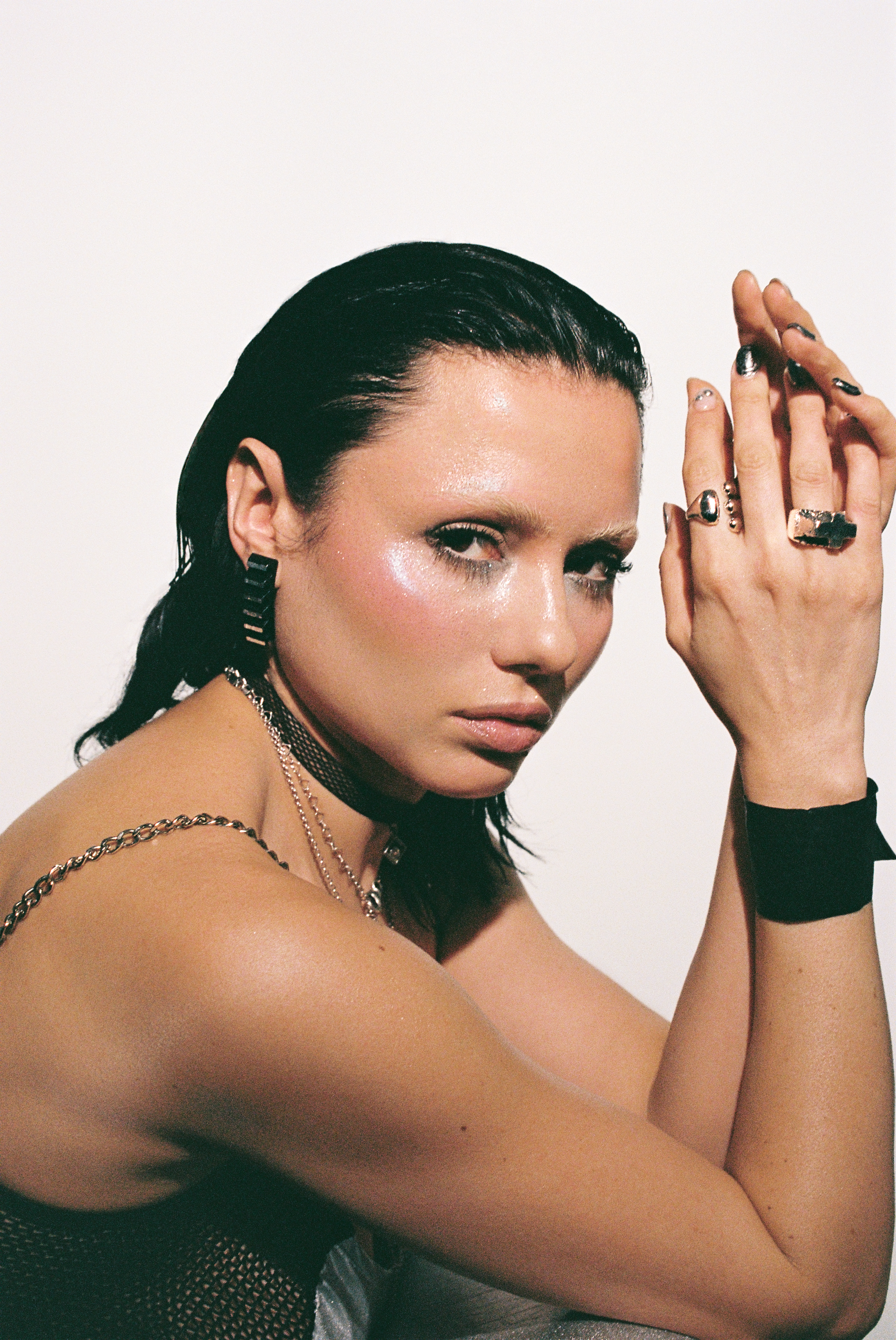
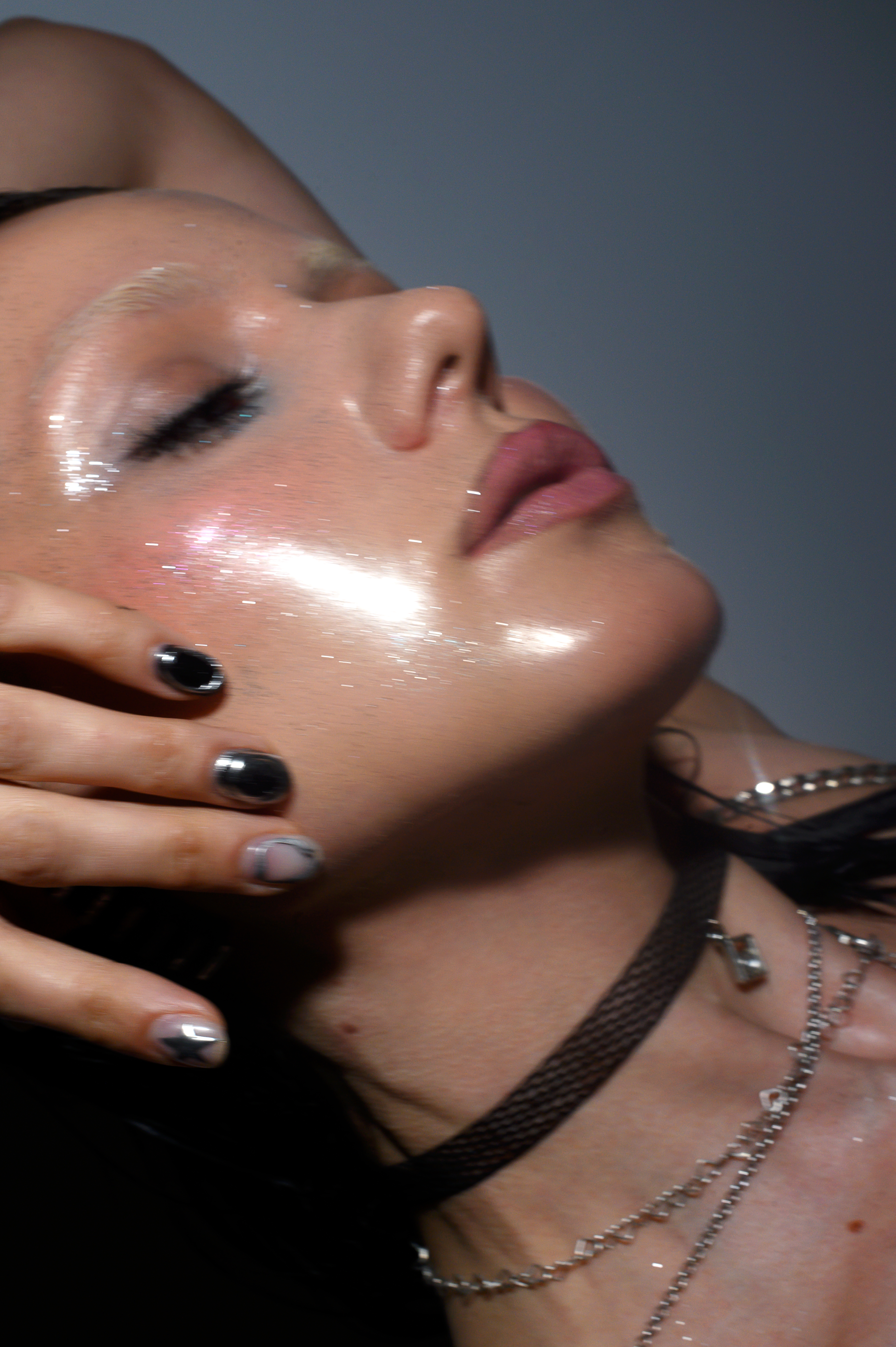
This week we’re featuring content creator and makeup artist Angelina Masich, whose work embraces the tension between digital perfection and human authenticity. Across a series of editorial looks, luminous skin, grungy details, and unexpected imperfections coexist, reflecting a cultural moment defined by contradiction. “Beauty trends are both shaped by and reflective of the world around us,” Masich explains. “As AI and digital perfection takes over visual imagery, there is a growing desire towards something more human. We are all craving content that is messy, raw, and emotionally honest. Through these looks I wanted to show both worlds while maintaining an editorial approach.”
We spoke with Masich about beauty burnout, algorithmic aesthetics, and the growing desire for beauty that feels human again.
There’s a growing sense that beauty has become increasingly standardized through algorithms, platforms, and influencer culture. How do you see that shaping what people consider “beautiful”?
Beauty in 2026 feels defined less by one singular ideal and more by a push and pull between extremes. Algorithms and influencer culture have created a level of digital perfection that can make beauty feel repetitive and overly curated. At the same time, there’s a growing craving for authenticity and realness again.
We’re seeing more people finally embrace things like visible skin texture and pores rather than filtered perfection. There’s also a renewed interest in makeup as a form of creativity and identity instead of something purely corrective. I think people are becoming more drawn to beauty that feels human.
What kind of lens do you bring to your practice as a makeup artist, and what are you trying to complicate or undo through it?
Overall, I approach makeup through a lens of individuality. I’m drawn to enhancing what already exists rather than masking it, and I’m always inspired by the unique features and energy of the person in front of me.
Through my work, I think I’m trying to undo the idea that beauty must fit into one standardized mold. Makeup can be transformative, but it can also be about embracing what makes someone distinct while creating space for more individuality and expression within beauty.
What informs your process when you approach a face conceptually, especially your own?
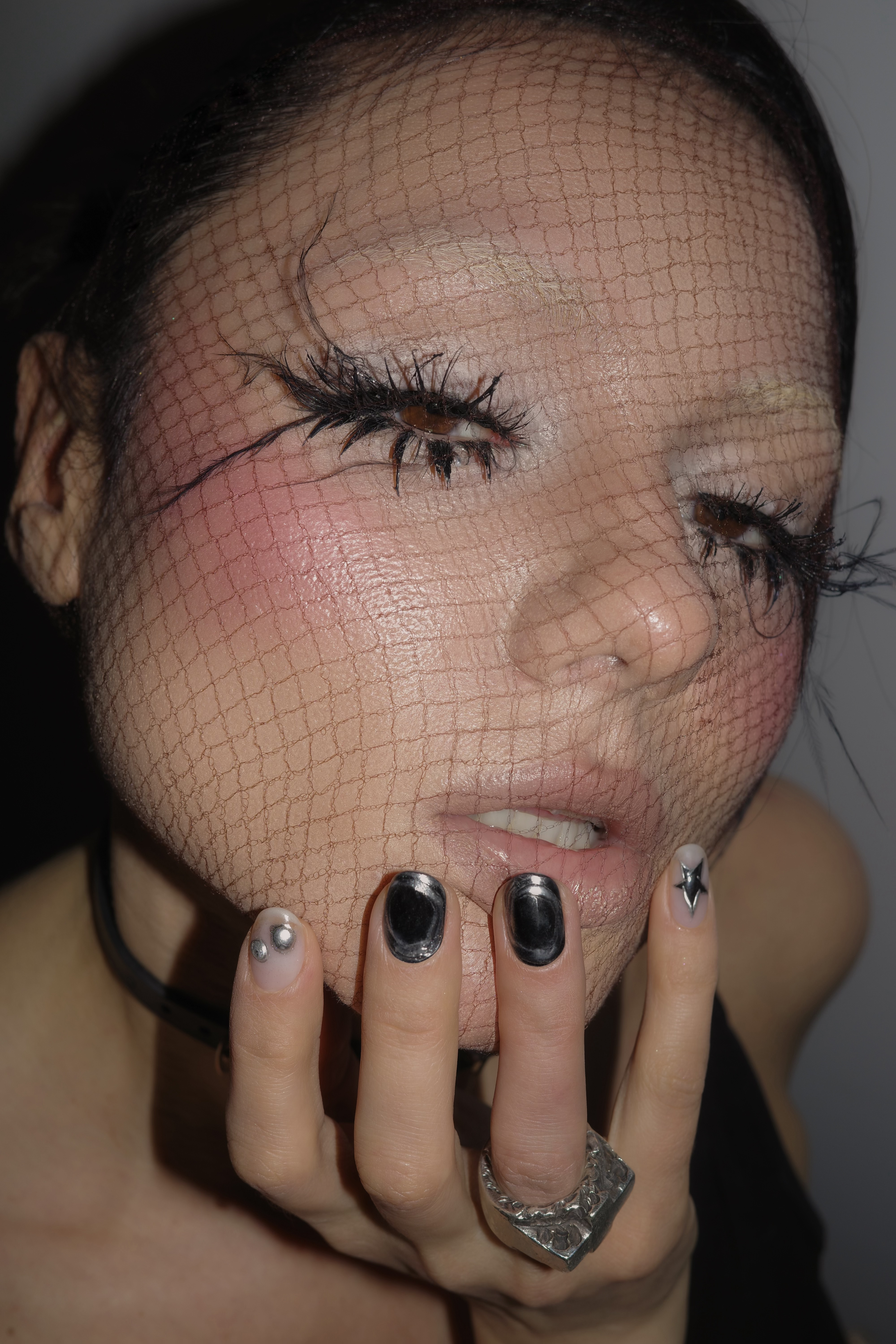
When approaching my own face, I simply enjoy the process of playing with makeup. It becomes a space where I can freely experiment with different aesthetics, colours, textures, and ideas. I often take inspiration from fashion, music, or current trends and reinterpret them in my own way.
What currently feels overproduced or exhausted in beauty culture to you?
We’ve reached an era of beauty burnout. Trends move so quickly now that people barely have time to connect with them before the next one takes over.
For years, beauty culture has been heavily tied to overconsumption, from ten-step skincare routines to treatments, devices, LED masks, and the constant pressure to optimize yourself. This is why we’re seeing a shift away from the ultra-polished clean girl aesthetic toward the rise of messier, more undone beauty trends.
Maybe we’re all just romanticizing exhaustion now.
What principles or instincts tend to guide your work, even if they’re not always conscious?
I feel that I’m instinctively drawn to contrast. I like when makeup feels balanced between polished and undone, soft and dramatic, wearable but still a little unexpected.
I also tend to trust spontaneity in the process. Some of my favourite looks happen when I stop overthinking and allow imperfections or unexpected details to become part of the final look.
Where do you see space for disruption or refusal within beauty right now?
I think there’s space for disruption in becoming more selective and intentional with beauty again. People are starting to question influencer culture and the endless cycle of being told what they need to buy, fix, or improve about themselves.
There’s a growing skepticism toward beauty that feels overly manufactured or purely driven by consumption. I think refusal right now looks quieter: not feeling the need to constantly participate, resisting the pressure to chase every trend, and approaching makeup in a way that feels personal rather than performative.
Credits
Makeup
Angelina Masich (@angelina.masich)
Creative Direction & Photography
Pure Fashion Art Cinema (@purefashionartcinema)
Photography
Leonila Varzhevska (@nechneslovo)
Cody Rooney is the Editor in Chief and senior contributor at liminul.
He is a PhD candidate, digital content specialist, writer, editor, multi-media artist, and photographer.